Best Rehab in Kenya: Where Recovery Begins With Self-Discovery
We’re ready to walk the journey towards healing with you. Holistic treatment for drug and alcohol addiction and related mental health conditions, in a calm residential setting along Kiambu Road.
Get Your Instant Quotation
Fill in the form below and we'll generate your quotation PDF instantly.

NACADA registered
National Authority for the Campaign Against Drugs
KMPDC Level 3A
Licensed nursing home
SHA insurance accepted
Social Health Authority cover
4.7 stars on Google
Across 100+ reviews
1,500+ clients
Treated since 2018
Welcome to Primrose Rehab and Wellness
Primrose Rehab and Wellness is one of Nairobi’s most established rehabilitation centres for drug and alcohol addiction. We offer holistic treatment for substance use disorders and the related mental health conditions that often sit beneath them.
We are licensed as a Level 3A nursing home by the Kenya Medical Practitioners and Dentists Council (KMPDC), and we are registered and regularly audited by the National Authority for the Campaign Against Drugs (NACADA).

Prevention through education and holistic treatment
We believe prevention starts with awareness. Many people would avoid substance use entirely if they understood the long-term repercussions. Equally, greater mental health awareness reduces the cases where people self-medicate underlying conditions with alcohol or drugs. We are one of the few rehabs in Nairobi running ongoing awareness campaigns, and our treatment programme focuses on identifying and addressing the root cause of each person’s addiction, not just the symptoms.
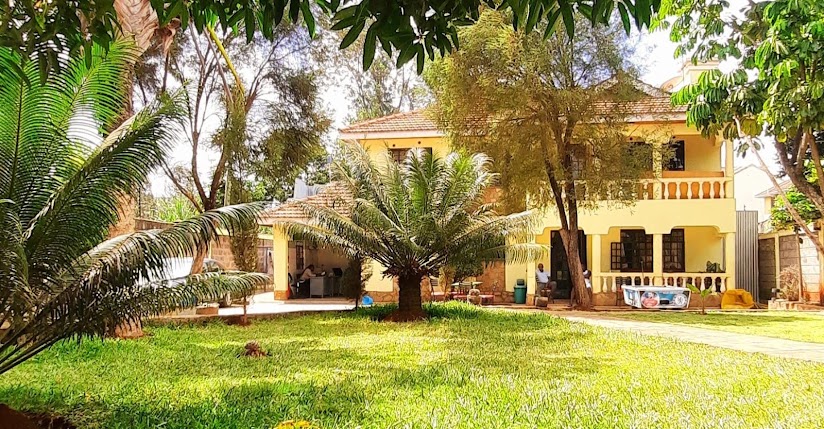
A calm, private place to begin recovery
Primrose Rehab and Wellness Centre sits in a quiet residential setting in Thindigua, off Kiambu Road, with mature gardens and space to walk, rest and think.







Free, confidential self-assessment tools
Not sure whether your use of a substance has become a problem? These short, private checklists are based on the criteria mental health professionals use (DSM-5). Pick the one that fits and answer honestly about the last 12 months.
Understanding severity
The Addiction Severity Index (ASI): looking at the whole person
Addiction rarely affects only one part of life. The Addiction Severity Index, developed in 1980 by Dr A. Thomas McLellan and colleagues at the University of Pennsylvania, is one of the most widely used assessments in addiction treatment around the world. Rather than asking only "how much do you drink or use?", it looks at seven areas of a person's life and how badly each one has been affected.
How it is done
A trained clinician carries out a structured interview of about 45 to 60 minutes, covering both the past 30 days and the person's lifetime history.
How it is scored
The clinician gives each area a severity rating from 0 (no real problem) to 9 (extreme problem, treatment absolutely needed). Composite scores are also calculated to track change over time.
Why it matters
It shows where help is most needed, so a treatment plan can address work, family, health and mental wellbeing, not just the substance. Repeating it later shows whether recovery is taking hold.
The seven areas the ASI covers
- Medical: physical health problems and their impact
- Employment and support: work, income and stability
- Alcohol use: frequency, quantity and consequences
- Drug use: any other substances, including misused medicines
- Legal: arrests, charges or legal pressure linked to use
- Family and social: relationships, conflict and support
- Psychiatric: mood, anxiety, sleep and other mental health concerns
Take the 7-area self-check (about 3 minutes)
Alcohol withdrawal
CIWA-Ar: measuring alcohol withdrawal safely
Stopping alcohol suddenly after weeks or months of heavy drinking can be dangerous. The Clinical Institute Withdrawal Assessment for Alcohol, revised (CIWA-Ar), published by Sullivan and colleagues in 1989, is the standard tool doctors and nurses use to measure how severe withdrawal is and to decide how much medication a person needs during detox.
What it measures
Ten symptoms: nausea and vomiting, tremor, sweating, anxiety, agitation, unusual skin sensations, unusual sounds, unusual sights, headache, and confusion about time and place.
How it is scored
Nine items are scored 0 to 7 and orientation 0 to 4, for a maximum of 67. Fewer than 8 points is usually minimal withdrawal, 8 to 15 moderate, and more than 15 severe.
How it is used
During medically supervised detox, staff repeat the CIWA-Ar every few hours. Rising scores signal a need for more medication or a higher level of care before complications develop.
Typical withdrawal timeline
- 6 to 24 hours after the last drink: shakiness, sweating, anxiety, nausea, poor sleep, racing heart
- 12 to 48 hours: risk of withdrawal seizures (fits); some people begin to see or hear things
- 48 to 96 hours: risk of delirium tremens (DTs): severe confusion, fever and hallucinations. This is a medical emergency and can be fatal without treatment
Check withdrawal symptoms now (about 3 minutes)
Help is available at Primrose
Primrose Rehab & Wellness Center treats substance use disorders together with the mental health problems that often lie underneath them, so both are addressed in one treatment plan. Whatever your results, you do not have to work this out alone. Call us any time for a free, confidential conversation.
Dual diagnosis
When addiction is not the only struggle
Many people who struggle with alcohol or drugs are also living with depression, anxiety, ADHD or a mood disorder. Sometimes the mental health problem came first and substances became a way of coping. Sometimes drinking or drug use caused the problem or made it worse. Either way, treating only one usually leads to relapse in the other. Clinicians call this a dual diagnosis, or co-occurring disorders.
Why it matters
Recovery is more likely to last when the addiction and the mental health condition are treated together, in one plan, by the same team.
Substances can mimic symptoms
Intoxication and withdrawal can cause low mood, anxiety, poor concentration and agitation. The DSM-5 asks clinicians to rule this out, so a full picture sometimes needs a period without alcohol or drugs.
How to use these checks
Choose any check below and answer honestly. Each takes two to four minutes. Your answers stay on your device, nothing is saved or sent, and you can download your results as a PDF.
Depression
Low mood, loss of interest or pleasure, and changes in sleep, energy or appetite.
PHQ-9 · 9 questions · 2 minutesAnxiety
Constant worry, nervousness, tension and trouble relaxing.
GAD-7 · 7 questions · 2 minutesAdult ADHD
Difficulty with focus, organisation and follow-through, or feeling constantly restless.
ASRS v1.1 · 6 questions · 2 minutesBipolar and mood swings
Periods of unusually high mood, energy or irritability that are different from your normal self.
Based on DSM-5 criteria · 3 to 4 minutesDepression check (PHQ-9)
Anxiety check (GAD-7)
Adult ADHD screener (ASRS v1.1, Part A)
Bipolar and mood swings check (based on DSM-5)
Help is available at Primrose
Primrose Rehab & Wellness Center treats substance use disorders together with the mental health problems that often lie underneath them, including depression, anxiety, ADHD and mood disorders, in one treatment plan. Call us any time for a free, confidential conversation.
PHQ-9 and GAD-7: developed by Drs Robert L. Spitzer, Janet B.W. Williams, Kurt Kroenke and colleagues, with an educational grant from Pfizer Inc. No permission required to reproduce, translate, display or distribute.
Adult ADHD Self-Report Scale (ASRS v1.1) Screener, Part A: © New York University and Ronald C. Kessler, PhD. All rights reserved. Kessler RC, Adler L, Ames M, et al. Psychological Medicine 2005;35(2):245-256. Reproduced without alteration.
Bipolar and mood swings check: written by Primrose Rehab & Wellness Center from the DSM-5 criteria for manic and hypomanic episodes. It is not the Mood Disorder Questionnaire and has not been separately validated.
Awareness is the first step to beating addiction
YouTube channel
In-depth video conversations on addiction, recovery, and the realities families face. New videos posted regularly.
Facebook community
Daily awareness posts, success stories, and updates on what’s happening at the centre. Join the conversation.
Blog and stories
First-person stories of recovery from real clients, plus educational articles for families supporting a loved one.
Watch: Meet Primrose Rehab & Wellness
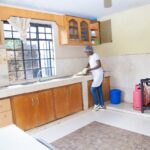
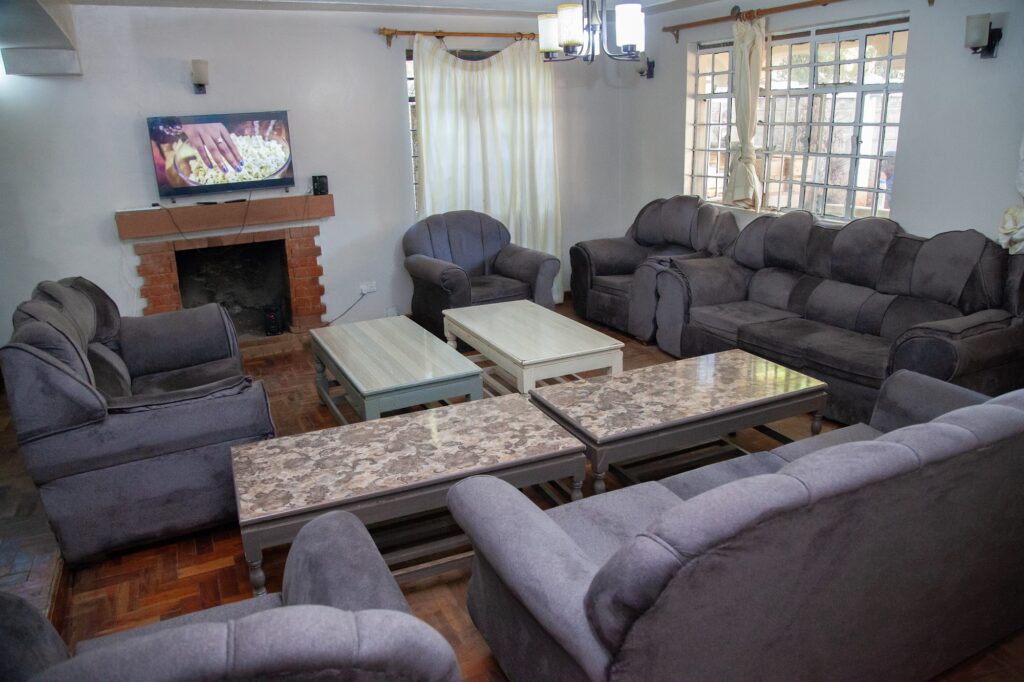
Comfortable, homely surroundings
Communal lounges are used for group therapy and downtime, and all meals are prepared fresh on site.

What Our Clients Say About Primrose Rehab
Real Google reviews from our clients and their families.
EXCELLENT Based on 114 reviews
 Posted on Google
 Gakumo DuncanMy name is Duncan Gakumo, I went thro rehabilitation program in Primrose Rehab and wellness centre for a period of 3 months and it has really helped me. I have rediscovered my potential importance of life in sense that i live without dependance of jaba and alcohol.Posted on Google
 Mary HetaI appreciate all the help. God blessPosted on Google
 Maris KamauThis is truly the best rehab in Nairobi. Thanks for all the helpPosted on Google
 Stellamaris KamauI highly recommend this place to anyone looking for a wellness centre. We got the support we needed from here after many years of struggle.Posted on Google
 Scatek ElectronicsAwesome placePosted on Google
 Desmond ShitakhaIt has been a life changing and eye opening experience here at Primrose. While I was very apprehensive at first, the friendly atmosphere, encouraging staff, and caring Primrose community, helped me learn alot about myself, and together we are facing the enemy that is addiction. I would reccomend Primrose to anybody afraid of rehabs or worried about having a bad or dehumanising experience, this place treats you with dignity and prepares you for the outside world.Posted on Google
 Timothy SabwaNice place with a homely vibe. Everyone, from the management to the directors is approachable. I highly recommend them for anyone looking for a place to heal and reconnect with selfPosted on Google
 Patrick NjorogeWe got help here thanks to their very dedicated team. Primrose is truly one of the best rehab centres aroundPosted on Google
 sam waithanjiIt's a nice wellness center. It provides a serene environment which brings out the best in you.
Questions? Ask!

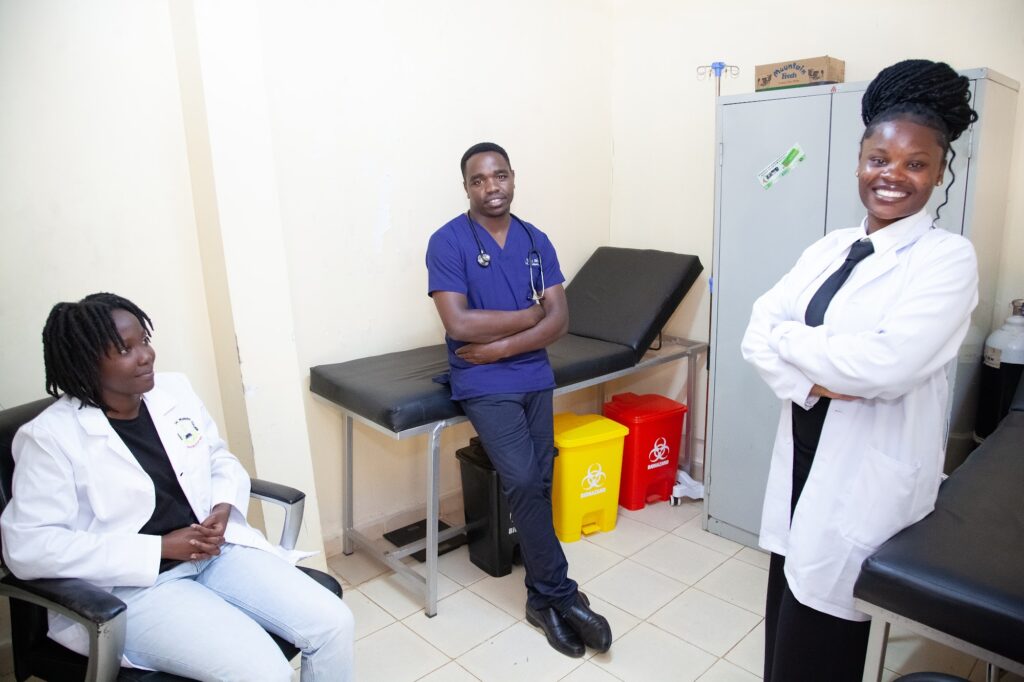
The team who will care for you
Our multidisciplinary team brings together consultant psychiatrists, clinical officers, nurses, psychologists, addiction counselors, peer supporters, and support staff, working under KMPDC Level 3A licensing.

Blog

Featured story
By the Primrose team
A first-person account of one client’s journey through addiction and recovery at Primrose.
Rehab diaries
By the Primrose team
Bill talks openly about the depression behind his addiction — and what changed for him in the 90-day programme.

Rehab diaries
By the Primrose team
The third chapter of Bill’s recovery story, with reflections on the role family therapy played throughout.
A holistic approach to addiction treatment
NACADA
Registered & audited
KMPDC
Level 3A nursing home
GamHelp
Partner network
KCPA
Counselling & Psychology
ISSUP Kenya
Substance use professionals
Insurance Accepted
We work with most major Kenyan health insurance providers — including SHA and Britam — to make recovery accessible.
 + other major Kenyan insurers
Call us on 0726 883 960 or 0720 264 149 to confirm your cover and get a quotation.
Take the first step today
Calling us costs nothing. We will not pressure you. We’ll listen to your situation, explain how we work, and help you decide whether Primrose is the right fit — or recommend an alternative if it isn’t.
Find us in Thindigua, Kiambu Road
Visit us
Thindigua, Kiambu Road,
Nairobi, Kenya
Admissions enquiries answered 24/7.