

Many families notice a painful and confusing pattern: a loved one’s addiction seemed to develop, or grow dramatically worse, soon after they got married. Parents and siblings are often left wondering what went wrong. Some quietly ask whether the spouse did something to fuel the addiction, and the spouse, in turn, often blames themselves, asking, “Is this my fault?”
In the vast majority of cases, the answer is no. Counsellors at the top rehabilitation centres in Kenya see this pattern so frequently that it is almost predictable, and the causes usually have far more to do with the psychology of the addicted person, and the pressures of married life, than with anything the spouse did. Addiction is a complex condition shaped by genetics, childhood experiences, stress, and brain chemistry. Marriage does not create it, but marriage can act like a magnifying glass, intensifying the very conditions under which addiction thrives.
Understanding why this happens matters. It frees spouses from misplaced guilt, helps families respond with compassion instead of blame, and points everyone toward the real solution: professional addiction treatment in Kenya. Below are five reasons why addiction often worsens after marriage.
1. Increased Emotional and Financial Stress

Marriage, even a happy one, is one of life’s biggest adjustments. Newlyweds suddenly face a wave of new demands: merging finances, paying rent or a mortgage, supporting in-laws, negotiating household roles, planning for children, and managing the expectations of two extended families. In the Kenyan context, pressures such as dowry obligations, harambee contributions, and the cultural expectation to “provide” can add significant financial strain, especially for young couples still establishing their careers.
For a person with healthy coping skills, this stress is manageable. They talk about it, budget for it, exercise, pray, or lean on friends. But for a person with poor coping skills, or a pre-existing habit of using alcohol or drugs to unwind, the pressure of married life can rapidly push casual use into dependency. What was once a Friday drink with friends becomes a nightly requirement just to feel calm.
Stress is one of the most well-documented triggers for both substance abuse and relapse. The brain learns that alcohol or drugs offer fast, reliable relief, and under chronic pressure, it reaches for that relief more and more often. This is why quality drug and alcohol rehab in Kenya places heavy emphasis on stress-management training: clients learn healthier tools, such as mindfulness, communication skills, and problem-solving, so that pressure no longer automatically leads to the bottle.
2. Trauma Reactivation

Unresolved childhood trauma powerfully shapes our behaviours, emotional responses, and relationship choices in adulthood. Psychologists have long observed that, without conscious healing, we tend to repeat what is familiar, not necessarily what is healthy.
This explains a phenomenon that surprises many families: people with underlying trauma are often unconsciously drawn to partners who, in subtle ways, resemble the very caregivers who hurt, criticised, or neglected them. A man raised by a harsh, dismissive parent may marry a partner whose criticism feels strangely familiar. A woman who grew up soothing a volatile father may find herself married to an unpredictable man, because her nervous system learned long ago that this is what love feels like.
Marriage is the most intimate relationship most adults will ever have, and intimacy is precisely what reactivates old wounds. Conflicts, disappointments, and moments of feeling unseen or controlled can trigger emotional pain that actually belongs to childhood, but feels overwhelmingly present. Because the person has never learned to process these feelings, they reach for the fastest anaesthetic available: alcohol, cannabis, or other drugs.
This is why the top rehabilitation centres in Kenya now integrate trauma-informed therapy into their programmes. Treating the drinking or drug use alone, without healing the childhood wounds being reactivated by the marriage, rarely produces lasting sobriety. When the trauma is addressed, the “need” for the substance loses much of its power.
3. Shame and the Fear of Being Found Out
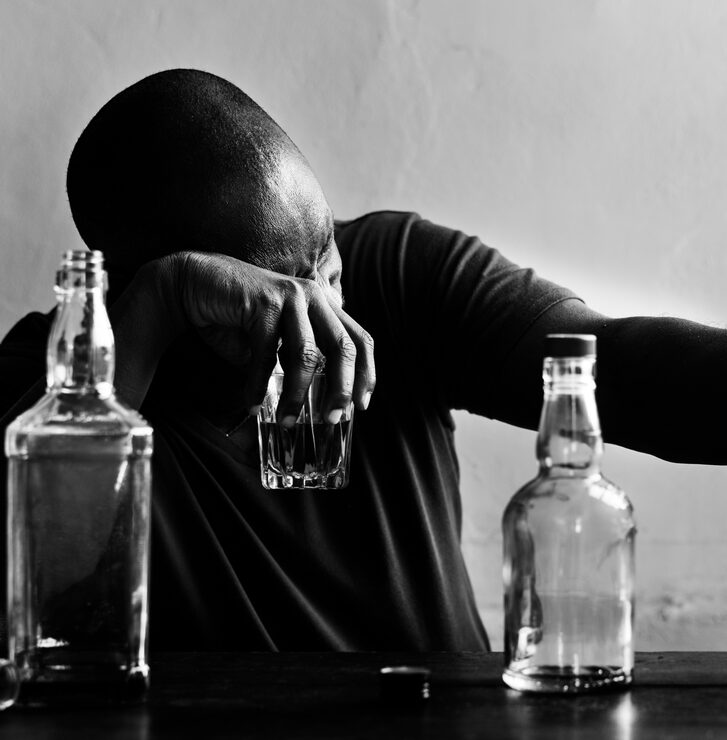
Addiction is secretive by nature. It thrives in silence, shame, and isolation. Long before marriage, most people struggling with addiction have already built elaborate systems of concealment: hidden bottles, secret M-Pesa transactions, invented explanations for missing money and missed appointments. Often they hide the truth not only from others but from themselves, minimising and rationalising to avoid confronting the reality of their dependency.
Marriage disrupts this entire system. Suddenly there is another adult in the house, sharing the bedroom, the bank account, and the daily routine. Someone now notices the smell on their breath, the money that disappears, the moods, the absences. The addicted person is forced to bring another human being into their inner world, and that is terrifying.
Rather than motivating honesty, this exposure often intensifies the addiction. Shame is a powerful fuel for substance abuse: the more ashamed a person feels, the more they use to escape the feeling, and the more they use, the more ashamed they become. The constant anxiety of “What if she finds out?” or “What if he leaves me?” becomes its own chronic stress, which the person medicates in the only way they know how. Hiding also escalates the behaviour itself; drinking quickly and secretly, for example, typically means drinking more, not less.
Breaking this shame cycle is central to recovery, which is why group therapy is a cornerstone of treatment at leading rehab centres in Nairobi and across the country. Sitting with others who share the same struggle dissolves the isolation that addiction depends on.
4. Marital Conflicts After the Secret Is Discovered

Because addiction hides so well during courtship, when both partners are on their best behaviour and living apart, the full extent of the problem often remains invisible until after the wedding. Many spouses report that they only truly discovered their partner’s drinking or drug use months into the marriage, when daily life together made concealment impossible.
The discovery usually triggers a painful and predictable sequence. The sober spouse feels betrayed, deceived, and frightened. Confrontations follow: tears, ultimatums, threats to leave or to involve the families. The addicted spouse responds with denial, defensiveness, broken promises to quit, and sometimes counter-accusations.
Here is the cruel irony: this very conflict becomes a new reason to use. Every argument, every night spent sleeping in separate rooms, every angry phone call from in-laws generates exactly the kind of emotional pain that the person has always numbed with substances. The marriage descends into a vicious cycle, in which the addiction causes conflict, the conflict fuels the addiction, and both spiral downward together. Left unaddressed, this cycle frequently ends in domestic violence, financial ruin, separation, or divorce, and, as we discussed in our article on marital conflict and childhood trauma, it inflicts lasting wounds on any children watching from the sidelines.
Professional help interrupts this cycle. The best addiction treatment centres in Kenya offer couples and family therapy alongside individual treatment, teaching both partners how to communicate about the addiction without the shame-and-blame dynamics that keep it alive.
5. Enabling and Codependency

The fifth reason is the least understood, and the most delicate, because it involves the sober spouse, through no fault or bad intention of their own. Out of love, fear, or a desire to protect the family’s reputation, spouses often slip into patterns that psychologists call enabling: calling the employer to say their partner is “sick” after a binge, paying off the debts, cleaning up the messes, hiding the problem from relatives, and repeatedly forgiving broken promises without consequences.
Each of these acts comes from a caring place, but together they form a safety net that shields the addicted person from the natural consequences of their behaviour. If someone else always absorbs the fallout, the addiction can grow unchecked for years. Over time, the relationship may develop into codependency, in which the sober spouse’s entire identity revolves around managing, monitoring, and rescuing their partner, while their own health quietly deteriorates.
This is why reputable rehabilitation centres involve the family in treatment, not just the patient. Family members learn the difference between supporting the person and supporting the addiction, how to set loving but firm boundaries, and how to care for their own mental health. Support structures for families, alongside professional counselling, are invaluable parts of this journey.
The Way Forward: Recovery Is Possible

If your loved one’s addiction has worsened since their wedding, take heart in two truths. First, it is not your fault; the seeds of addiction were planted long before you came along. Second, marriage can become part of the solution rather than the problem. A supportive spouse, equipped with the right knowledge and boundaries, is one of the strongest predictors of successful recovery.
The path forward begins with professional help. The top rehabilitation centres in Kenya, licensed and guided by NACADA standards, offer medically supervised detox, trauma-informed individual therapy, group support, couples and family counselling, and structured aftercare planning. Look for a facility with qualified addiction counsellors that treats the underlying causes, stress, trauma, and shame, and not merely the substance use.
Addiction that worsens after marriage is not a mystery, and it is not a marriage sentence. With the right treatment and family support, couples routinely move from the darkest season of their lives into lasting recovery, and a stronger marriage than they had before.
If you or a loved one is struggling with alcohol or drug addiction, reach out to a qualified treatment centre or mental health professional. Early intervention saves marriages, and lives.