

If you speak to counsellors working in the best rehabs in Kenya, a familiar pattern emerges. A large share of the adults seeking help for alcoholism, drug addiction, depression, and anxiety grew up in homes where their parents were locked in constant, unhealthy marital conflict. The conflict may have involved physical violence, emotional abuse, chronic hostility, or long, icy silences, but in every case, it created an atmosphere of toxicity and stress that the children absorbed daily.
This is not just anecdotal. The landmark CDC-Kaiser Adverse Childhood Experiences (ACE) Study, which followed more than 17,000 adults, found that witnessing domestic conflict and violence in childhood is strongly associated with depression, anxiety, and substance abuse later in life. The more adversity a child is exposed to, the higher the risk. Researchers at Harvard University’s Center on the Developing Child call this phenomenon “toxic stress”, prolonged activation of the body’s stress response in the absence of a protective, calming adult.
In this article, we explore four main reasons why children raised in such families often end up struggling with mental health challenges in adulthood, and what recovery through professional addiction treatment in Kenya can look like.
1. Unhealed Emotional Wounds
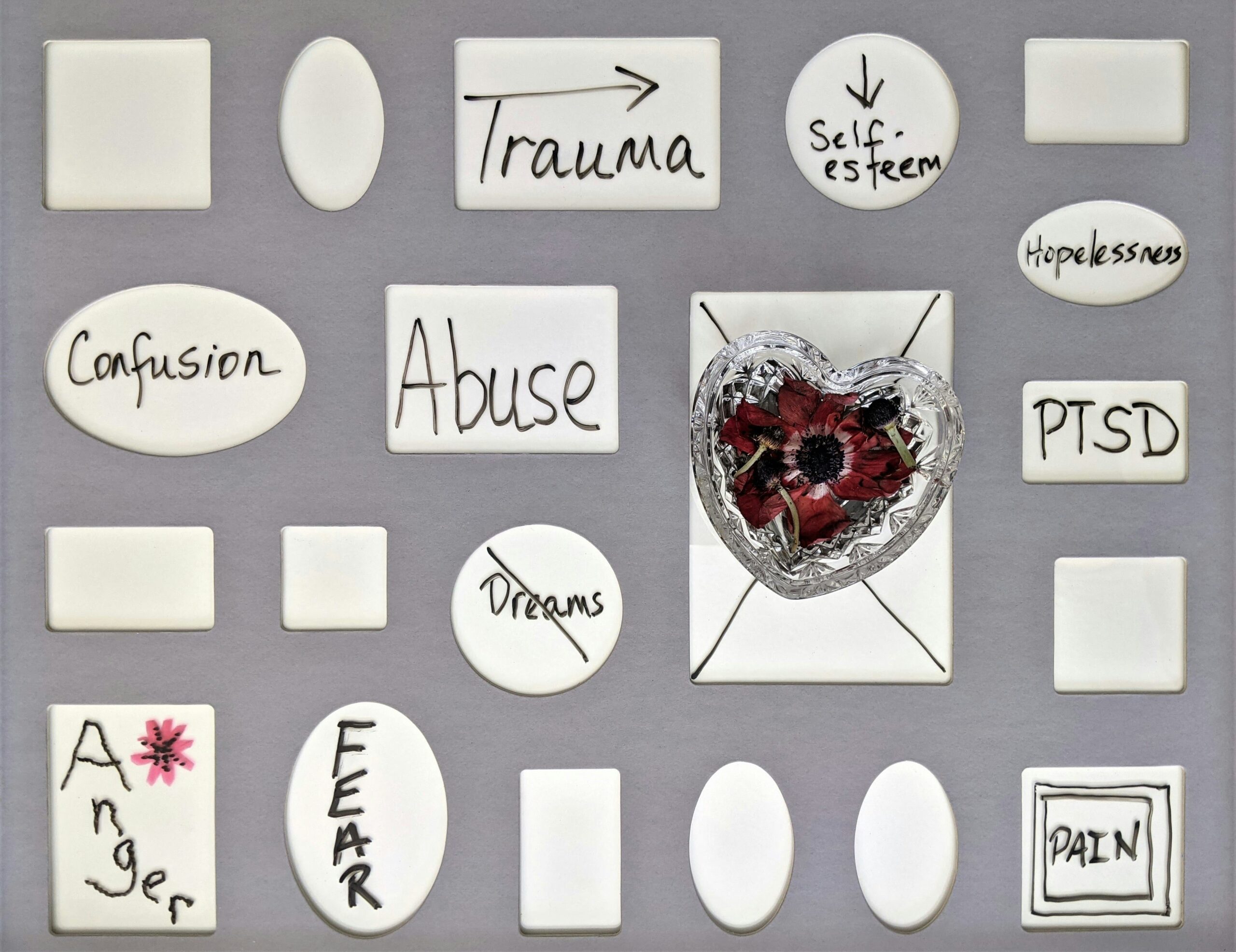
Children raised in a toxic family environment experience intense feelings of fear, sadness, loneliness, helplessness, anger, guilt, and confusion. A child listening to parents scream at each other through a bedroom wall has no way to make sense of what is happening, and no power to stop it.
Unfortunately, most of these children repress their feelings. They do not know how to express them, and in many homes, there is nowhere safe to vent them. In some families, children who cry or ask questions are punished or dismissed, so they learn early that emotions are dangerous. These repressed feelings become deep emotional wounds that eventually resurface as mental health challenges in adulthood.
Think of a physical wound that appears to heal on the surface but leaves a scar that is intensely painful when poked. The child learns to mask the pain, often for decades, until, in adulthood, a seemingly small trigger causes a flood of overwhelming negative emotion. A disagreement with a spouse, criticism from a boss, or even a raised voice in the next room can provoke a reaction far larger than the situation warrants. Most people cannot trace these feelings back to their source, which makes them even more distressing.
This is where substance abuse often enters the picture. Many people attempt to numb unexplained sadness, loneliness, anger, and confusion with alcohol or drugs. What starts as self-medication gradually becomes dependency. This is why trauma-informed therapy is now a core component of treatment in leading rehabilitation centres in Kenya: treating the addiction without healing the underlying wound rarely produces lasting recovery.
2. A Compromised Ability to Deal with Stress
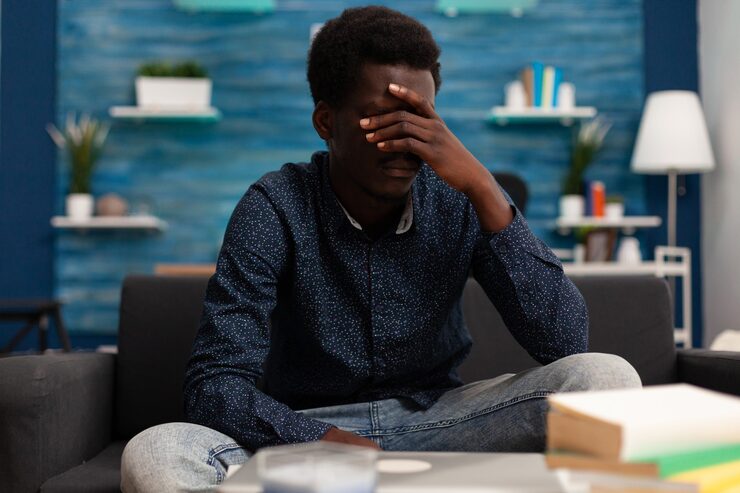
Children experience enormous stress when their parents engage in explosive marital conflict. The child’s brain perceives danger and automatically releases stress hormones, primarily cortisol, adrenaline, and noradrenaline, which trigger the body’s fight, flight, or freeze responses. This is a healthy, protective mechanism when danger is brief and occasional.
The problem arises when the danger never ends. When toxicity in the home continues for months or years, the developing brain adapts by staying in a state of hypervigilance, constantly scanning for threat. Neuroscience research shows that chronic childhood stress can alter the development of the amygdala (the brain’s alarm system), the hippocampus (involved in memory and emotional regulation), and the prefrontal cortex (responsible for judgment and impulse control). The stress-response system, known as the HPA axis, becomes dysregulated.
The result is an adult with low stress tolerance. Ordinary pressures, deadlines, financial worries, relationship friction, feel unbearable, because the nervous system was calibrated in a war zone. Over time, this chronic overwhelm contributes to anxiety disorders, depression, insomnia, and burnout.
Predictably, many adults with poor stress tolerance reach for the fastest available relief: alcohol, cannabis, prescription pills, or harder drugs. Alcohol in particular is widely used in Kenya as an unofficial stress remedy, which is one reason alcohol rehab in Kenya remains the most sought-after form of addiction treatment. Quality programmes address this directly by teaching healthy stress-management skills, mindfulness, breathing techniques, exercise, and cognitive behavioural strategies, so that clients have real alternatives to substances when pressure builds.
3. Negative Core Beliefs
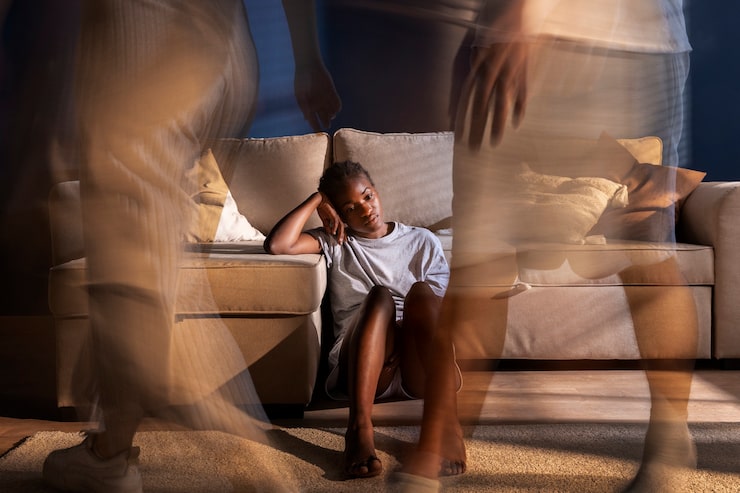
Children learn who they are by observing and mirroring their parents. They are also naturally egocentric, not selfish, but developmentally wired to assume that everything happening around them is somehow about them. So when parents engage in toxic marital conflict, children very often blame themselves: “If I were a better child, Mum and Dad wouldn’t fight.”
Because a child cannot fully understand adult conflict, they form distorted beliefs to create emotional meaning out of the chaos. Common negative core beliefs include:
- “I am the problem.”
- “I am not good enough to be loved.”
- “The world is dangerous and people cannot be trusted.”
- “My needs don’t matter.”
Self-blame produces chronic guilt, shame, and low self-esteem that follow the child into adulthood. Shame is particularly corrosive: research by Brené Brown and others has linked chronic shame to addiction, depression, and eating disorders. A person who deeply believes they are unworthy will often sabotage opportunities, tolerate mistreatment, and seek relief in substances.
Additionally, a child who repeatedly watches love and pain intertwined may learn to associate intimacy with hurt, developing a lifelong fear of closeness. These negative core beliefs quietly drive many of the mental health issues, including alcoholism and drug addiction, that surface in adulthood. Effective mental health treatment in Kenya therefore goes beyond detox: therapies such as cognitive behavioural therapy (CBT) help clients identify and rewrite these distorted beliefs at their root.
4. Inability to Build Healthy Relationships
Children form their first and most powerful template for love and relationships by watching their parents. Psychologists call this an “internal working model” of attachment. When parents model contempt, violence, manipulation, or cold withdrawal, children internalise the lesson that love is unsafe.
In adulthood, this plays out in painful and often contradictory ways:
- Avoidance. Some adults unconsciously block every attempt at genuine connection, keeping partners at arm’s length, ending relationships when they get serious, while still feeling a deep, aching longing for closeness.
- Attraction to abusive partners. Others repeatedly find themselves in relationships that mirror their childhood home. This is not weakness or bad luck; the brain gravitates toward what feels familiar, and for these adults, chaos and pain feel like love.
- Poor conflict skills. Having only ever seen conflict handled through explosion or silence, they either erupt over small issues or bottle everything up until the relationship collapses.
The chronic loneliness, rejection, and relational stress that result from these patterns are powerful drivers of depression, anxiety, and substance abuse. Isolation, in particular, is a well-documented risk factor for addiction, and addiction, in turn, deepens isolation, creating a vicious cycle. This is why family therapy and group therapy are standard features of the best rehabilitation centres in Kenya: recovery happens in connection, not in isolation.
Breaking the Cycle: Healing Is Possible
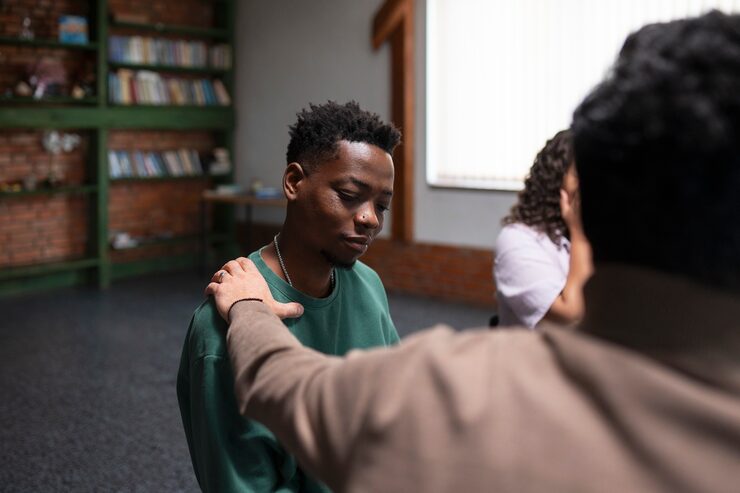
Here is the most important truth in this entire article: a difficult childhood explains your struggles, but it does not have to define your future. The same brain that adapted to survive a toxic home can, with the right support, learn safety, regulation, and healthy connection. Neuroscientists call this neuroplasticity, the brain’s lifelong ability to rewire itself.
For adults already caught in alcoholism or drug addiction, professional help offers the clearest path forward. The best rehabs in Kenya combine several elements:
- Medically supervised detox to manage withdrawal safely.
- Trauma-informed individual therapy to heal the childhood wounds driving the addiction, rather than treating symptoms alone.
- Group therapy and peer support to rebuild trust and end isolation.
- Family therapy to address relational patterns and, where possible, repair damaged bonds, and to stop the cycle from passing to the next generation.
- Relapse-prevention and aftercare planning, including ongoing counselling and support groups after discharge.
When comparing drug and alcohol rehab facilities in Kenya, look for programmes that are properly licensed, employ qualified addiction counsellors and mental health professionals, and explicitly address childhood trauma, not just the substance use itself. NACADA (the National Authority for the Campaign Against Alcohol and Drug Abuse) maintains standards for treatment facilities and is a useful reference point when vetting a centre.
Final Thoughts
Children raised amid unhealthy marital conflict carry invisible injuries: unhealed emotional wounds, a stress system stuck on high alert, corrosive beliefs about their own worth, and a broken template for love. It is no coincidence that so many of them later battle depression, anxiety, alcoholism, and drug addiction.
But cycles can be broken. If you recognise yourself in this article, or someone you love, reaching out to a qualified therapist or one of the best rehabs in Kenya could be the turning point. Healing the child within is how the adult finally becomes free.
Related reading: 5 Reasons Why Addiction Worsens After Marriage
This article discusses sensitive mental health topics. If you or a loved one is struggling with addiction or emotional distress, please seek support from a qualified mental health professional or accredited treatment centre.